

Car insurance is one of those expenses that every driver knows is important, but often feels overwhelming to sort through. With so many policies available, finding the right one can be confusing. That’s why it’s vital to know what details matter most before you commit. Whether you’re a first-time driver or someone reviewing your current policy, understanding the essentials can save you money, give you peace of mind, and keep you well protected. In this article, we’ll break down the top factors you should consider when choosing car insurance coverage. By focusing on these areas, you’ll be better prepared to pick a plan that fits your budget, lifestyle, and driving needs.
Level of Coverage You Actually Need
 One of the first things to think about is how much coverage makes sense for your situation. Policies vary from basic liability coverage to comprehensive plans that cover almost everything. A new car might require more extensive coverage, while an older car could make do with something less costly. Ask yourself questions like: What risks do I want to protect against? Do I drive often in busy traffic? Is theft or vandalism common in my area? Your answers will guide the decision.
Premiums and Deductibles
Cost is often the deciding factor, but cheaper doesn’t always mean better. Insurance premiums are what you pay monthly or annually, while deductibles are the amounts you’ll pay out of pocket before coverage kicks in. A lower premium may seem attractive, but if the deductible is high, you could struggle financially after an accident. On the other hand, a slightly higher premium with a reasonable deductible might give you more stability. Always compare these numbers side by side rather than looking at just one figure.
Reputation of the Insurance Provider
The insurance company itself matters just as much as the policy. A provider with a track record for reliability and fast claim settlements can make a huge difference when you actually need help. Read reviews, ask for recommendations, and check their financial strength ratings. Remember, you’re trusting this company with your safety and your finances. An insurer that consistently communicates well and delivers support quickly will give you confidence that you’ve chosen wisely.
Policy Exclusions and Add-ons

It’s easy to get carried away with glossy brochures and reassuring sales pitches, but the fine print is where the truth lies. Every insurance policy comes with exclusions—situations or damages that won’t be covered. Reading and understanding those details is crucial. In addition, check what add-ons are available. Options like roadside assistance, car rental coverage, or accident forgiveness might cost extra but can be lifesavers in stressful situations. Taking a close look here prevents unpleasant surprises later.
Discounts and Benefits Available
Many drivers overlook the fact that insurers often offer multiple discounts that can significantly lower their premiums. Safe driver discounts, loyalty rewards, good student discounts, or even savings for bundling auto insurance with home or renter’s insurance are common examples. Don’t hesitate to ask an insurer what options you qualify for. These benefits can add up, making a strong policy more affordable without sacrificing protection.
Choosing car insurance coverage doesn’t have to feel overwhelming if you focus on the key factors: the right level of coverage, balancing premiums and deductibles, carefully checking exclusions and add-ons, evaluating the provider’s reputation, and asking about available discounts. Each of these elements contributes to finding a plan that is practical, reliable, and suited to your needs.

 The third-gen Altima didn’t go full flashy with curves and gimmicks. It leaned into clean lines and a slightly assertive stance. Two decades later, it hasn’t aged poorly. The headlights and grille design looked like they belonged to a vehicle with intent, not something slapped together in a rush to meet a model-year deadline. Even the tail end had a bit of character without looking like it was trying to be a sports car.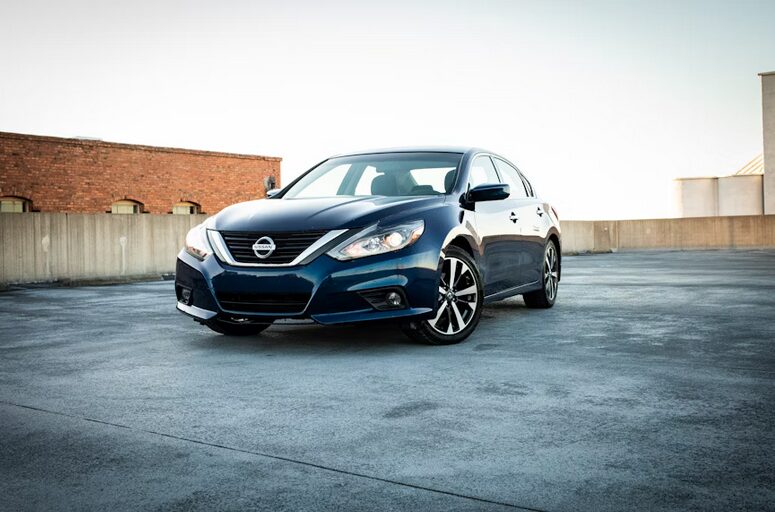

 The radiator is one of your car’s most crucial cooling system components. It acts as a heat exchanger, helping to dissipate excess heat from the engine and maintain optimal operating temperatures. Located at the front of your vehicle, the radiator consists of a series of small tubes through which coolant flows. As air passes over these tubes, it helps to cool down the heated coolant inside them. To enhance its cooling efficiency, radiators often have fins or louvers that increase surface area for better heat transfer. Usually, many auto repair shops notice radiator hose clamps that go bad when inspecting. This is where they ask the owner to purchase a new one. When doing this, you should take the time to find a shop that sells quality radiator hose clamps. There are also times when they ask you also to purchase other clamps, like stainless steel hose clamps.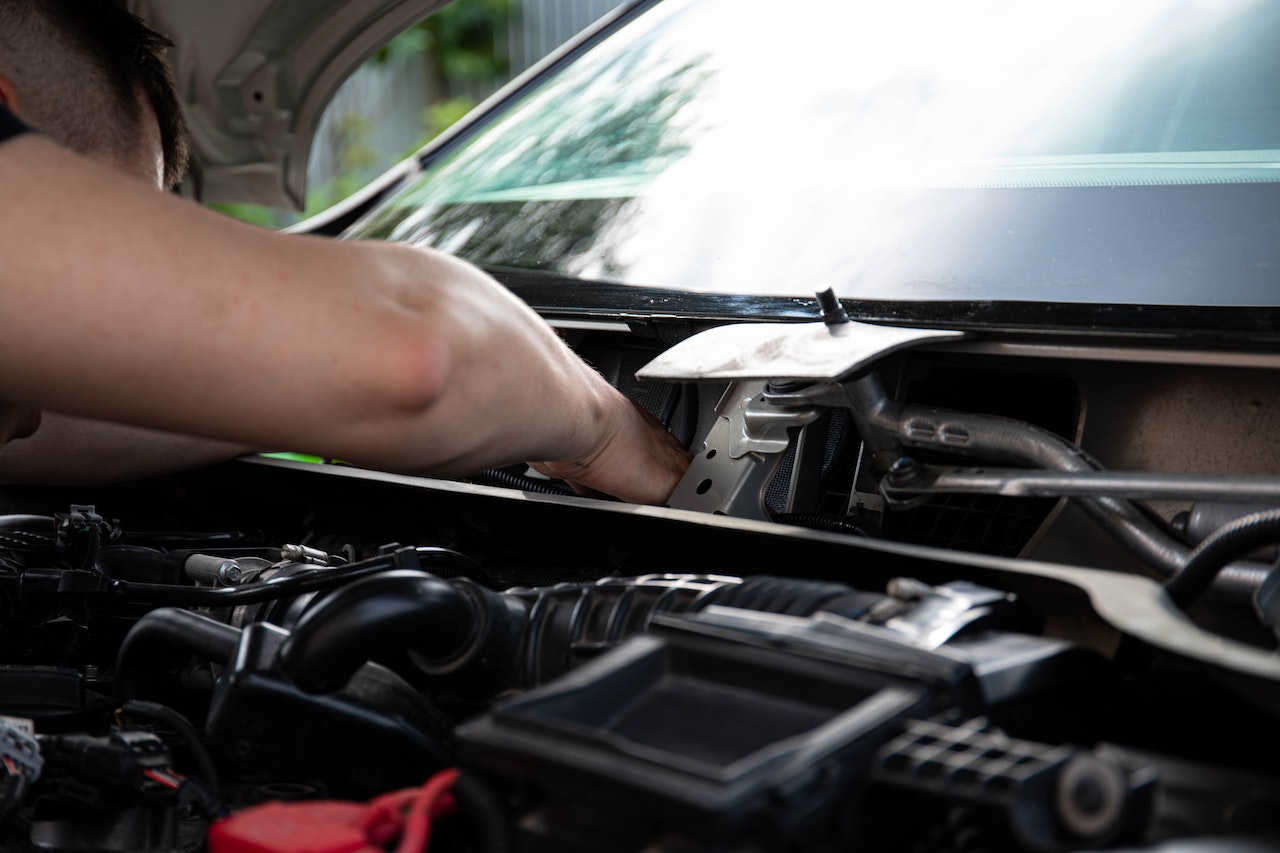

 Taking care of your car is essential for its longevity and overall performance. Make sure to check the oil regularly, get repairs as necessary, and keep up with regular maintenance such as tire rotations and brake checks.
 Accidents can happen anytime, so it’s crucial to ensure you have the right coverage for your car. Make sure to compare different policies and find one that fits your needs and budget. Consider getting help from an insurance agent to ensure you get the best protection.
 Whether you get roadside assistance through your insurance or buy a separate plan, it’s important to have the right coverage in case of an emergency. Make sure to inquire about the services provided and what coverage is included in the plan.

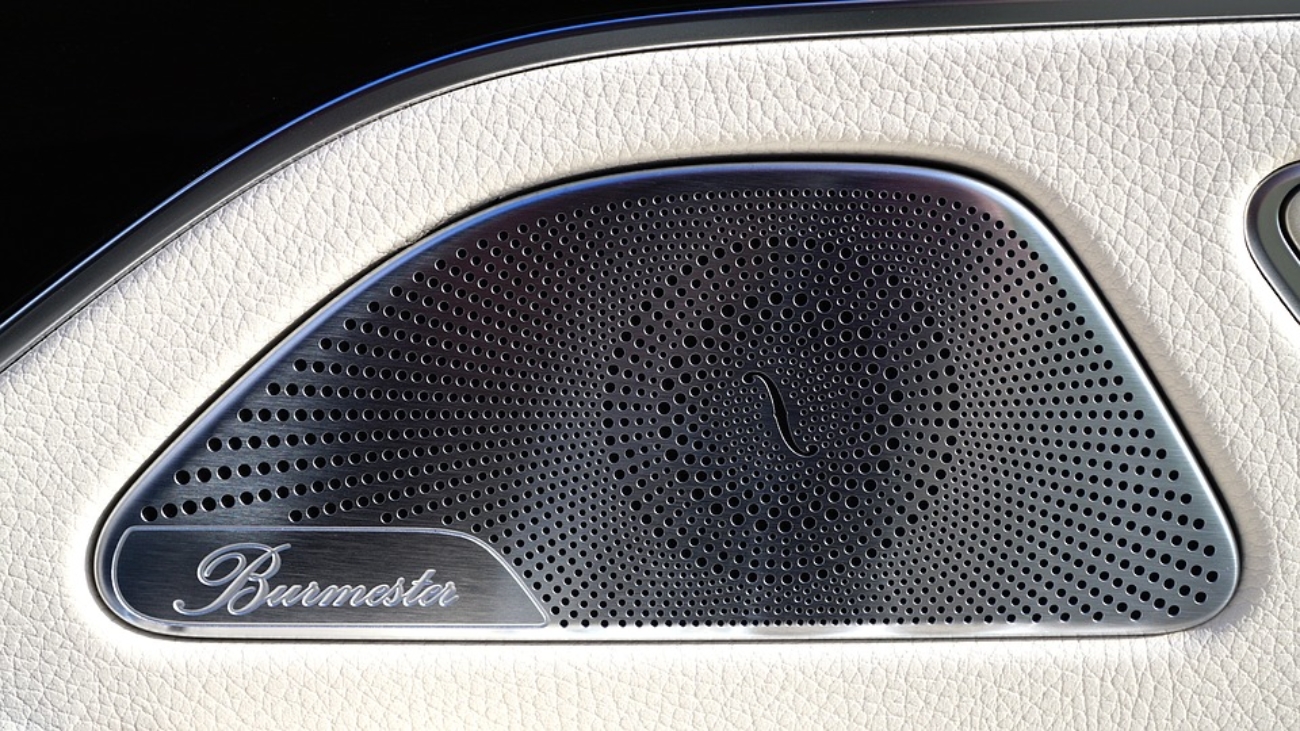
 The kind of speaker that you buy will determine the budget and the quality of sound that it will produce. Full range speakers are easier to install since they are readily available in the market with specific sizes and shapes that are customized for different cars. If your priority is the quality of sound, then you should consider purchasing component speakers. Choosing component speakers means that you have the freedom of getting the exact specifications that you need for the sound quality.
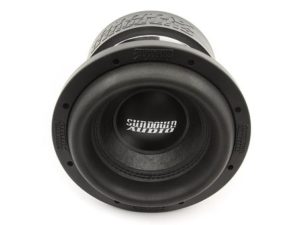 It is important to know the size and configuration of your car speaker before you go shopping for one. Most speakers look similar but differ in configuration. If your vehicle has full range speakers that you need to replace, then you may need to take the measurements before going to shop for one. However, some shops will be in a position to advise on the best speakers to buy for your car if you give them the car model and year of manufacture. It is important to get these specifications right so as to avoid buying speakers that do not fit into the receptacles of the speaker and affect the interior appearance of the car.
 The steel wheel is one of the car wheels that you can buy. The steel wheels are some of the basic wheels in the market. They are commonly used on low-cost vehicles. Steel metal is harder than other materials. Therefore, they will last for a long time. Most of the car manufacturers prefer to use the steel wheels since they do not have a lot of maintenance. By buying steel wheels, you get to save maintenance cost.
 The split rim wheels have small bolts around the rims that make it easy to identify them. It is made up of three parts that are usually held together by the small bolts. The split rim wheels have paint and diamond cut finishes depending on what effect you want to achieve. Refurbishing the split rim wheels require a lot of work to be done. When refurbishing the wheels, all the bolts have to be removed one after the other. Therefore, the split rim wheels are more costly to refurbish. If you do not mind about spending a lot of money on refurbishing, then you can buy the split trim wheels.