

Key Components That Make Your Car’s Cooling System Efficient
Are you tired of your car overheating on long drives? Worried about the damage it could cause to your engine? Look no further. In this blog post, we’ll dive into the key components that make your car’s cooling system efficient. We’ll cover everything from the radiator to the water pump, thermostat, and coolant. So buckle up and get ready to discover how these essential parts work together to keep your engine cool and running smoothly. Let’s jump right in.
Radiator
 The radiator is one of your car’s most crucial cooling system components. It acts as a heat exchanger, helping to dissipate excess heat from the engine and maintain optimal operating temperatures. Located at the front of your vehicle, the radiator consists of a series of small tubes through which coolant flows. As air passes over these tubes, it helps to cool down the heated coolant inside them. To enhance its cooling efficiency, radiators often have fins or louvers that increase surface area for better heat transfer. Usually, many auto repair shops notice radiator hose clamps that go bad when inspecting. This is where they ask the owner to purchase a new one. When doing this, you should take the time to find a shop that sells quality radiator hose clamps. There are also times when they ask you also to purchase other clamps, like stainless steel hose clamps.
Water Pump
The water pump is known to play a crucial role in your car’s cooling system. You should know that it is responsible for circulating coolant throughout the engine, ensuring it stays at an optimal temperature. The engine could overheat and suffer serious damage without a properly functioning water pump. Located near the front of the engine, the water pump is driven by a belt or chain connected to the crankshaft. This mechanism spins the impeller within the water pump housing as the engine runs. The spinning impeller creates centrifugal force, which draws coolant from the radiator and pushes it through hoses into different engine parts. A well-functioning water pump should move coolant efficiently and consistently to keep temperatures under control.
Coolant
Coolant is a vital component of your car’s cooling system. It is known to play a crucial role in maintaining the engine’s temperature and preventing overheating. But what exactly is coolant? It is known that a coolant is the liquid that circulates through the engine to absorb heat and dissipate it into the surrounding air. It helps regulate the temperature of various engine components. Most modern vehicles use a mixture of water and ethylene glycol-based coolant. This combination offers excellent heat transfer properties while protecting against freezing in cold weather conditions.
Thermostat
The thermostat is a small but crucial component of your car’s cooling system. It acts as the gatekeeper, regulating the coolant flow between the engine and the radiator. How does it do this? Well, it works by monitoring the temperature of the engine. When your car is cold, the thermostat remains closed to restrict coolant flow and allow faster warm-up. When the engine reaches its temperature, usually around 195 degrees Fahrenheit (90 degrees Celsius), the thermostat opens up, allowing coolant to circulate freely. This process ensures that your engine stays at an ideal temperature regardless of external conditions.
By paying attention to these key components and taking proactive measures like flushing and refilling coolant at recommended intervals, you can help ensure that your car’s cooling system remains efficient and reliable. Remember that prevention is always better than cure regarding automotive maintenance. So stay vigilant, address any issues promptly, and keep your cool – quite literally – on those hot summer drives! Now go ahead and give your vehicle some much-needed TLC by checking out its cooling system – after all, it deserves a little extra attention too.…

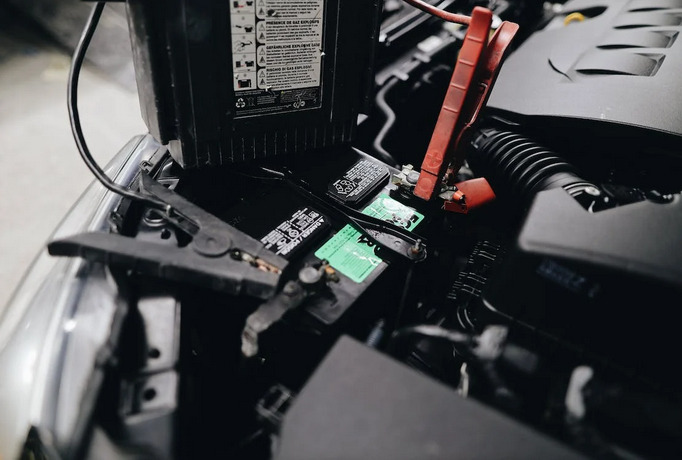
 Your car’s alternator is what charges the battery while the engine is running. If it’s not working properly, your battery will eventually die, even if you regularly drive and use it. That’s why it’s important to check for alternator problems before you start jumping your car battery.